
Pokemon Foil Vs Holo: What Actually Changes?
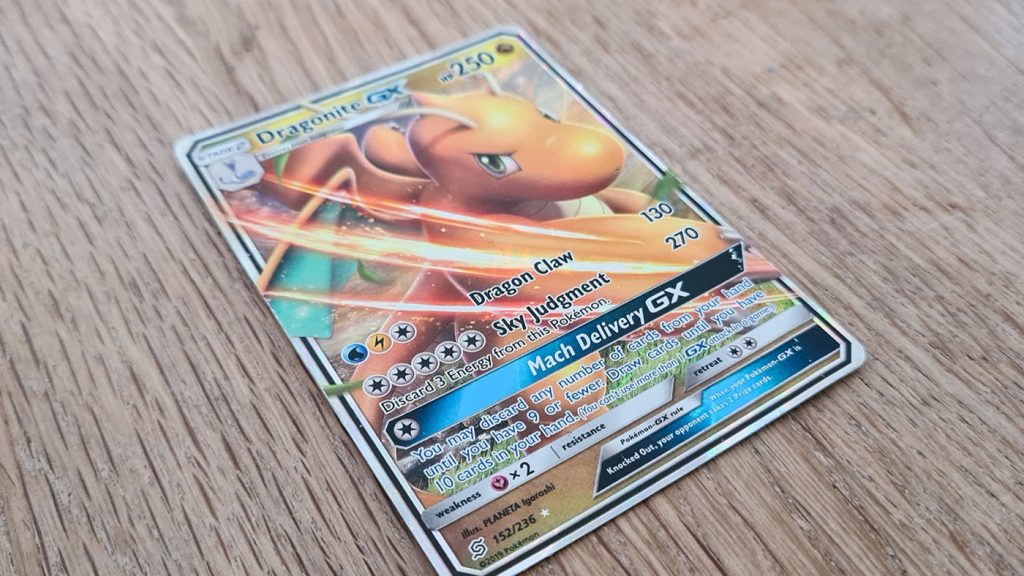
Pokemon foil vs holo is one of those questions that sounds embarrassingly simple until you start shopping singles and every seller, binder label, and marketplace filter uses slightly different words. Then suddenly you are staring at a shiny card like it insulted your family.
Here is the clean version. In Pokemon, a regular holo usually means the artwork window is shiny. A reverse holo usually means most of the card outside the artwork is shiny. And foil is the broader word people use when they do not feel like being precise, which, to be fair, is often.
Pokemon Foil Vs Holo at a Glance
When collectors say holo, they usually mean the classic holofoil treatment on the illustration box. Think old-school holo rares where the Pokemon artwork catches the light and the rest of the card mostly behaves itself.
When they say reverse holo, the shine flips. The artwork stays mostly matte while the border, background, and text area pick up the reflective finish. Same card game text, different finish, different visual vibe.
When they say foil, things get fuzzier. Sometimes foil just means any shiny version. Sometimes it means a specific finish. Sometimes it means the seller assumed everybody else would understand what they meant. Adorable optimism.
What a Regular Holo Looks Like
A regular holo is the version most people picture first. Tilt the card, and the Pokemon illustration box flashes with that holographic effect. The rest of the front usually stays comparatively normal.
This is why classic holo rares feel distinct. Your eye goes straight to the art. The card still looks like the base version, but the creature art has that glossy, reflective “yes, this is the shiny one” treatment collectors associate with traditional hits.
For vintage cards especially, this is often the finish people mean when they casually say “holo.” If somebody says they pulled a holo Charizard, they are not usually talking about a reverse holo Bulbasaur. That would be a very different conversation.
What a Reverse Holo Looks Like
A reverse holo does the opposite. The art box stays non-holo or comparatively flat, while the rest of the card gets the reflective treatment. Border, text area, background elements, set patterning, all that starts to shimmer when you tilt it.
This is where newer collectors sometimes get tripped up, because reverse holos can exist across lower rarities too. A common, uncommon, or rare can all show up as reverse holo. So the card looks flashy, but flashy does not automatically mean premium. Card games enjoy this kind of confusion. It gives us character.
That also explains why reverse holos are often easier to find than standard holo rares in normal pack-opening life. They are part of the routine finish mix, not always the headline act.
Why “Foil” Makes the Whole Thing Murkier
The reason pokemon foil vs holo gets messy is that foil is both useful and annoyingly vague.
Technically, foil is the broader concept. It refers to a card getting some kind of reflective foil treatment. In Pokemon, that can include regular holo, reverse holo, and a bunch of modern shiny variants that no longer fit neatly into the old “picture shiny vs background shiny” split.
That matters because modern Pokemon has full-art cards, ultra rares, secret rares, and other foil-heavy treatments where calling something just “holo” does not really tell you enough. It is like describing a restaurant as “food-based.” True, but not doing much work.
So if you are buying a card online, do not stop at the word foil. Check the exact printing, the photos, and the listing category. On marketplaces, the difference between Holofoil and Reverse Holofoil is usually spelled out. That distinction matters for both looks and price.
Which One Is Worth More?
Usually, regular holo rares feel more special than the average reverse holo, especially in modern sets. That is partly because reverse holos are far more common as a finish type, and partly because many players and collectors still view the classic holo treatment as the more iconic version.
But this is where blanket rules go to die.
Some reverse holos are absolutely worth caring about. Older reverse holo printings, odd set-specific patterns, popular Pokemon, short supply, and collector nostalgia can all push reverse holo prices much higher than you might expect. Legendary Collection reverse holos are the obvious “normal rules no longer apply” example. One look at market pricing and you stop pretending all reverse holos are bargain-bin sparkle.
If you want a reminder of how irrational collectible cardboard can get once nostalgia and scarcity start arm-wrestling, ProxyKing already has a post on the most expensive TCG cards ever sold. It turns out people will indeed pay heroic amounts for shiny paperboard. Humanity remains consistent.
So the better question is not “is holo or reverse holo worth more?” The better question is “which set, which card, which printing, and what condition?” That answer is much less tidy, which is rude but normal.
How To Tell in About Five Seconds
The quickest test is just to tilt the card under light.
If only the artwork box lights up, you are usually looking at a regular holo.
If everything except the artwork lights up, you are usually looking at a reverse holo.
If the whole front looks heavily foiled, textured, or covered in a special finish, you may be looking at a full-art or higher-rarity foil treatment that sits outside the old basic shorthand. At that point, use the card number and listing category, not your instincts. Your instincts are trying their best, but they are also the reason junk drawers exist.
Why This Matters for Buyers and Proxy Collectors
This distinction matters most when you are actually spending money. Search the wrong printing, and you can end up buying the right card with the wrong finish. Mechanically identical, emotionally annoying.
It matters for proxies too. If you are ordering a vintage-style custom card, the finish description tells you what visual experience you are getting. Holo, reverse holo, and full holo are not interchangeable if the goal is to recreate a specific look in a binder or deck.
ProxyKing’s own Introducing Premium Pokémon Proxies to Our Collection at ProxyKing.biz is worth a look if you want the site’s Pokemon context. And if you are browsing product pages, pay attention to the finish language. A listing that says holographic across the full front is not the same thing as a classic holo where only the artwork window shines.
The Simple Answer
So, pokemon foil vs holo comes down to this: holo usually means the artwork is shiny, reverse holo means the rest of the card is shiny, and foil is the broader umbrella term that can cover both, plus other shiny variants.
If you are talking casually, people will blur those terms all the time. If you are buying, cataloging, or comparing versions, do not blur them. That is how you end up with the wrong card and a tiny, deeply unserious grudge against a product listing.
And yes, pokemon foil vs holo is a real distinction. It is not just collector nitpicking. Well, it is that too. But in this case the nitpicking is actually useful.
Share this Post
Product Categories
- Lorcana3535 products
- MTG Proxy Cards23032303 products
- MTG Proxy Sets2323 products
- Artifact351351 products
- Black310310 products
- Blue261261 products
- Colorless6666 products
- Green283283 products
- Land MTG Proxy Cards444444 products
- Multi-Colored202202 products
- Red176176 products
- White212212 products
- Pokemon2626 products
Recent Posts
- Protection From a Color in MTG: Damage, Enchanting, Blocking, and Targeting
- ProxyKing Customer Service: What Our Hands-On Testing Says About the Current Operation
- Best Expensive Counterspells to Proxy for High-Power Commander Testing
- How to Proxy Reserved List Cards for a Cube Without Rebuilding the Whole Cube
- Best Fetch Lands to Proxy for Commander and Multi-Deck Testing