
Is an Artifact a Spell in MTG? A Clear Rules Guide
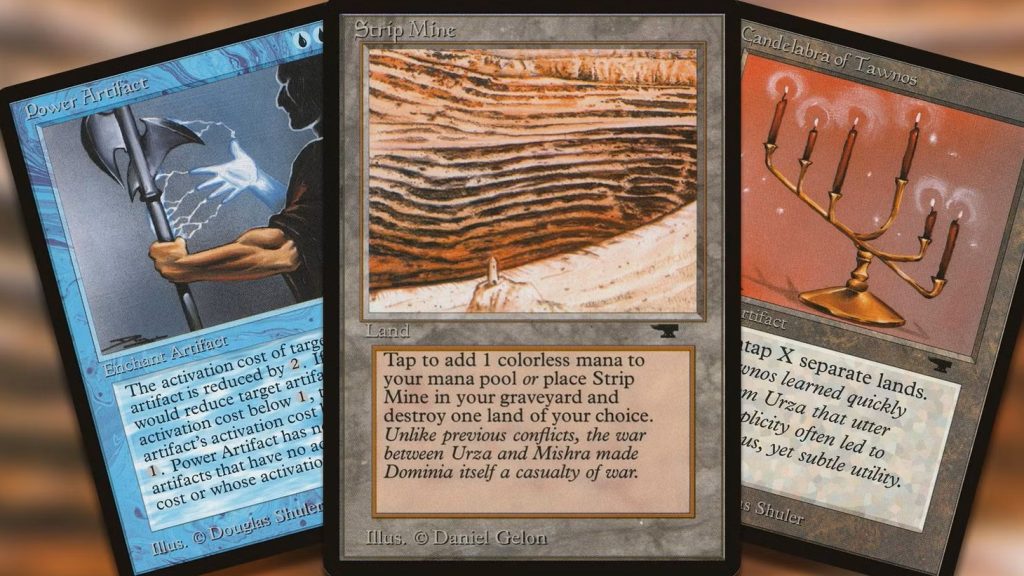
If you have ever stopped mid-game and searched “is an artifact a spell mtg”, you are not alone. This question comes up all the time because Magic uses the same card in a few different rules states, and the name changes depending on where that card is. A Sol Ring in your hand is not the same thing, rules-wise, as a Sol Ring on the stack or a Sol Ring on the battlefield. That sounds nitpicky, but it matters a lot when somebody tries to counter it, destroy it, copy it, or cheat it into play.
The short answer is yes. An artifact is a spell while you are casting it and while it is sitting on the stack. Once it resolves, it stops being a spell and becomes an artifact permanent on the battlefield. And if it is still in your hand, library, or graveyard, it is just an artifact card.
This is one of those rules spots that gets simpler once you stop thinking about the card name and start thinking about zones. In Magic, “spell” is mostly a stack word. That is the whole trick.
Short Answer: Is an Artifact a Spell in MTG?
Yes, an artifact is a spell in MTG while it is being cast and while it is on the stack.
Once it resolves, it becomes a permanent. If it never gets cast in the first place, then it was never a spell at all.
Here is the clean version:
| Where the card is | What it is called |
|---|---|
| Hand, library, graveyard | Artifact card |
| Stack | Artifact spell |
| Battlefield | Artifact permanent |
That is why a counterspell can hit an artifact while it is being cast, but a spell that says “destroy target artifact” usually cannot touch it until after it resolves.
I have found this is the easiest way to remember it: cast equals spell, battlefield equals permanent.
Why the Stack Changes Everything
The stack is where spells live before they actually happen. When you cast an artifact, it goes onto the stack first. During that window, players can respond. That is why your opponent can counter your Arcane Signet before it enters the battlefield.
So if you cast an artifact, it is absolutely a spell for that moment. In fact, Magic’s rules even use the exact term artifact spell.
This is also why cards that care about you casting spells will see artifacts. If a card says “whenever you cast a spell” or “whenever you cast an artifact spell,” your artifact counts. It is on the stack. It has been cast. The game treats it as a spell until it resolves, gets countered, or otherwise leaves the stack.
The reason “is an artifact a spell mtg” gets searched so often is that players tend to use the word “artifact” as shorthand for the object in every zone. But the rules do not do that. The rules are more specific:
- In your hand, it is an artifact card.
- On the stack, it is an artifact spell.
- On the battlefield, it is an artifact permanent.
Once you see that pattern, the confusion drops fast.
When an Artifact Is Not a Spell
An artifact is not a spell in most places you normally look at it.
If it is sitting in your hand, it is a card. If it is in your graveyard, it is a card. If it is in your library, it is a card. If it has already resolved and is on the battlefield, it is a permanent.
This is why wording matters so much on Magic cards.
If a card says “counter target spell,” it can interact with the artifact while it is on the stack.
If a card says “destroy target artifact,” it needs that object to already be on the battlefield as an artifact permanent.
That is a huge difference in actual gameplay. Think about Sol Ring again:
If you cast Sol Ring and I respond with a counterspell, I am countering an artifact spell.
If Sol Ring resolves and hits the battlefield, I am no longer dealing with a spell. Now I need artifact removal instead.
This also helps explain why lands are the odd exception. Lands are generally not cast, so they are not spells. You play them. That matters even more once artifact lands enter the conversation, which we will get to in a second.
If you want a broader refresher on permanents and what counts once something is actually on board, What are Permanents in MTG? is a helpful companion read.
Artifact Creatures, Equipment, and Other Common Confusion
This is where the rules get a little more interesting.
Artifact Creatures
An artifact creature is both things at once.
While you cast it, it is both an artifact spell and a creature spell. Once it resolves, it becomes an artifact creature permanent.
So yes, your Ornithopter, Wurmcoil Engine, or Solemn Simulacrum can trigger anything that cares about artifact spells while it is being cast. It can also trigger anything that cares about creature spells. The card has both types, and the game checks both.
This is a big reason tribal artifact decks and synergy decks can feel so dense. One card can pull double duty.
Equipment
Equipment can mess with newer players because of the equip ability.
When you cast an Equipment card, it is an artifact spell on the stack like any other artifact.
But when you later use equip, you are not casting it again. You are activating an ability of the permanent already on the battlefield. That ability uses the stack, sure, but it is not a spell.
That is an important distinction. Casting and activating are not the same thing, even if both can create a response window.
Artifact Lands
Artifact lands are one of the best examples of why rules language matters.
Cards like Seat of the Synod or Darksteel Citadel are artifacts and lands. But because they are lands, you do not cast them as spells. You play them as lands. That means they are never artifact spells when you play them.
They are artifact permanents once they hit the battlefield, and they can count for affinity, metalcraft, improvise, and so on. But they are not cast the way a normal artifact spell is cast.
If you remember nothing else from this section, remember this: artifact land does not mean artifact spell.
Cast vs Put Onto the Battlefield
This is another place where people get tripped up.
If an effect tells you to put an artifact onto the battlefield, that is not the same as casting it. No spell happened. The card just moved straight onto the battlefield.
That means it will become an artifact permanent without ever being an artifact spell.
This matters for a bunch of reasons:
- It will not trigger “whenever you cast an artifact spell” abilities.
- Your opponent cannot counter it with something that only counters spells, because there is no spell on the stack.
- It still enters the battlefield as an artifact permanent and can trigger enter-the-battlefield abilities if it has them.
The same logic applies to artifact tokens. A Treasure, Clue, Food, or Map token is an artifact permanent, not an artifact spell. Tokens are created, not cast.
That sounds like a tiny wording issue, but in Magic tiny wording issues are where entire judge calls are born.
And if timing is the part that still feels slippery, The Five Phases of Magic the Gathering is a good next read because it helps explain when you can cast most artifact spells in the first place.
The Easy Way to Remember It
Here is the version I would actually use at the table:
An artifact is a spell only while it is on the stack.
That is it.
If it has not been cast yet, it is just a card.
If it already resolved, it is a permanent.
If an effect puts it straight onto the battlefield, it skips being a spell entirely.
Once you get comfortable with that, a lot of other rules text starts making more sense. Suddenly “counter target spell,” “destroy target artifact,” “cast an artifact spell,” and “put an artifact onto the battlefield” all stop feeling like random phrasing and start feeling precise.
Magic does this all over the place. The game is very literal. Sometimes annoyingly literal, honestly. But once you start reading cards that way, you make fewer mistakes and you catch more lines.
FAQ: Artifact Spells in MTG
Can You Counter an Artifact in MTG?
Yes, but only while it is an artifact spell on the stack. Once it resolves and becomes an artifact permanent, you need removal that hits artifacts on the battlefield instead.
Is an Artifact Creature Also a Spell?
While you are casting it, yes. It is both an artifact spell and a creature spell. Once it resolves, it becomes an artifact creature permanent.
Are Artifact Lands Spells?
No. Even though they are artifacts, they are still lands, and lands are played rather than cast. That means they are not spells.
Do Treasure Tokens Count as Artifact Spells?
No. Treasure tokens are artifact permanents. They are created directly on the battlefield, not cast.
Does Equip Count as Casting an Artifact Spell?
No. Equip is an activated ability of an Equipment permanent already on the battlefield. It uses the stack, but it is not casting a spell.
So, Is an Artifact a Spell MTG Players Should Think About This Way?
Yes. If your exact question is “is an artifact a spell mtg”, the clean answer is this: it is a spell on the stack, and it is not a spell anywhere else.
Final Thoughts
So yes, an artifact is a spell in MTG, but only during the casting window. Once it resolves, it becomes an artifact permanent. If it is in your hand, library, or graveyard, it is just an artifact card. If it gets put straight onto the battlefield, it skips the spell stage completely.
That is the whole rule, and once you learn it, a lot of Magic wording gets less annoying.
And if you are testing artifact-heavy decks, tuning Commander lists, or just want premium proxies for your next batch of games, check out ProxyKing.
Share this Post
Product Categories
- Lorcana3535 products
- MTG Proxy Cards23032303 products
- MTG Proxy Sets2323 products
- Artifact351351 products
- Black310310 products
- Blue261261 products
- Colorless6666 products
- Green283283 products
- Land MTG Proxy Cards444444 products
- Multi-Colored202202 products
- Red176176 products
- White212212 products
- Pokemon2626 products
Recent Posts
- Protection From a Color in MTG: Damage, Enchanting, Blocking, and Targeting
- ProxyKing Customer Service: What Our Hands-On Testing Says About the Current Operation
- Best Expensive Counterspells to Proxy for High-Power Commander Testing
- How to Proxy Reserved List Cards for a Cube Without Rebuilding the Whole Cube
- Best Fetch Lands to Proxy for Commander and Multi-Deck Testing