
Phyrexia Storyline for Beginners: What the Phyrexians Are and Why They Matter
A beginner-friendly guide to Phyrexia, from Yawgmoth and the fall of Mirrodin to the Multiverse invasion, plus the cards and mechanics behind the story.

A beginner-friendly guide to Phyrexia, from Yawgmoth and the fall of Mirrodin to the Multiverse invasion, plus the cards and mechanics behind the story.
The legend rule makes a player who controls multiple legendary permanents with the same name choose one to keep. Here is how that state-based action works with copies, triggers, Commander, control changes, and cards that create exceptions.
Modern reaches back to 2003 and receives direct-to-Modern releases, while Pioneer begins with Return to Ravnica. Here is how that split affects legality, decks, and card choices.
Ravnica turns Magic’s ten two-color pairs into competing institutions. Here is what every guild believes, how its colors cooperate, and what that means when building a deck.
Duskmourn: House of Horror is an unusually inviting Draft set once you understand its two big themes: enchantments and the […]
Ravnica is one of Magic: The Gathering’s defining settings: a plane-spanning city whose politics, religion, commerce, crime, and even garbage […]

The back of a Magic card seems like the least interesting part of a proxy—until a sleeve splits, a card […]
Oswald Fiddlebender looks like a friendly Gnome with a workshop problem. In Commander he is closer to a repeatable artifact […]
If you want to test a competitive Commander deck against optimized opponents, it makes little sense to make ownership of […]
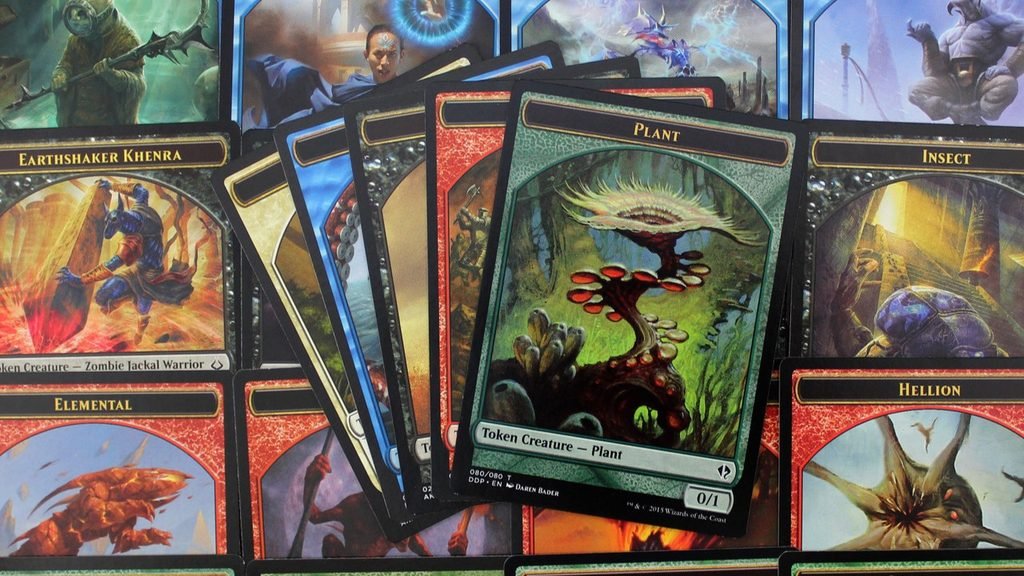
Proxying a normal one-faced Magic card is straightforward: put the correct name and readable rules on a card, use the […]
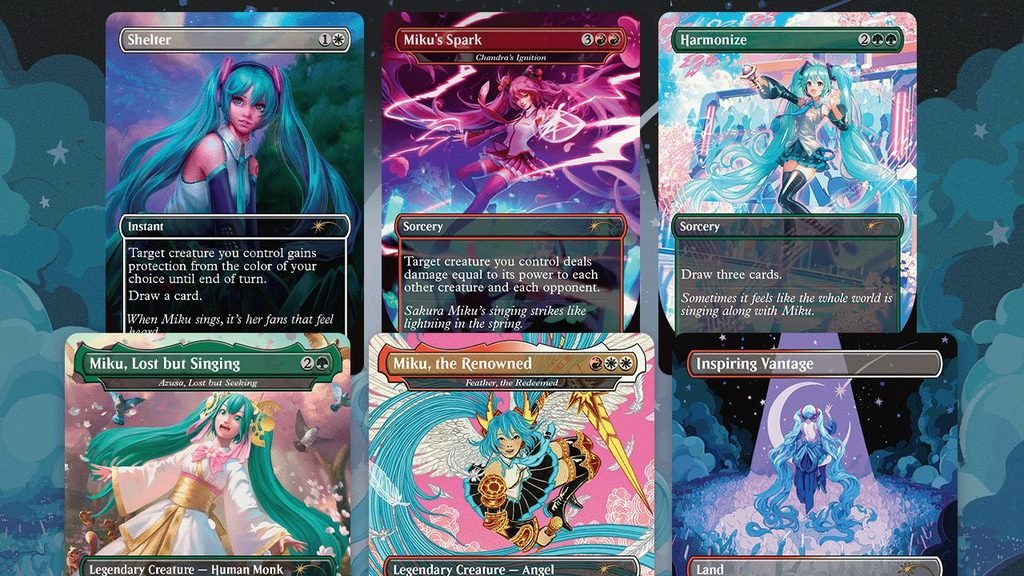
The Hatsune Miku Secret Lair cards look like a crossover made for collectors, but several are genuinely useful in Commander. […]
Green can turn a two-mana spell into a land and call it a normal Tuesday. The other colors have to […]
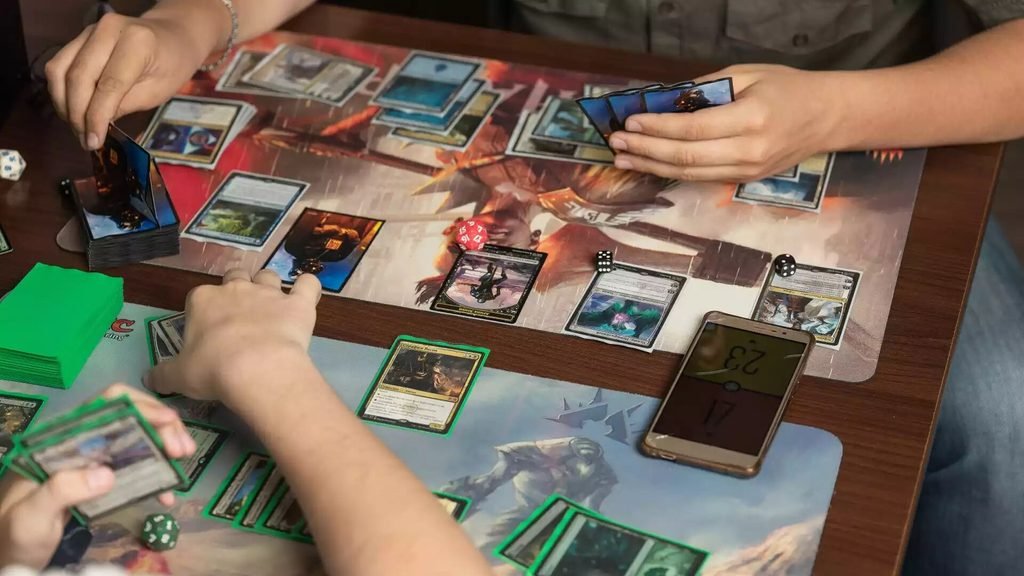
PrintMTG is usually the easier starting point for an ordinary Magic: The Gathering decklist. MakePlayingCards (MPC) is the more configurable […]

You can remove poison counters in Magic: The Gathering, but only a small number of cards can do it directly. […]
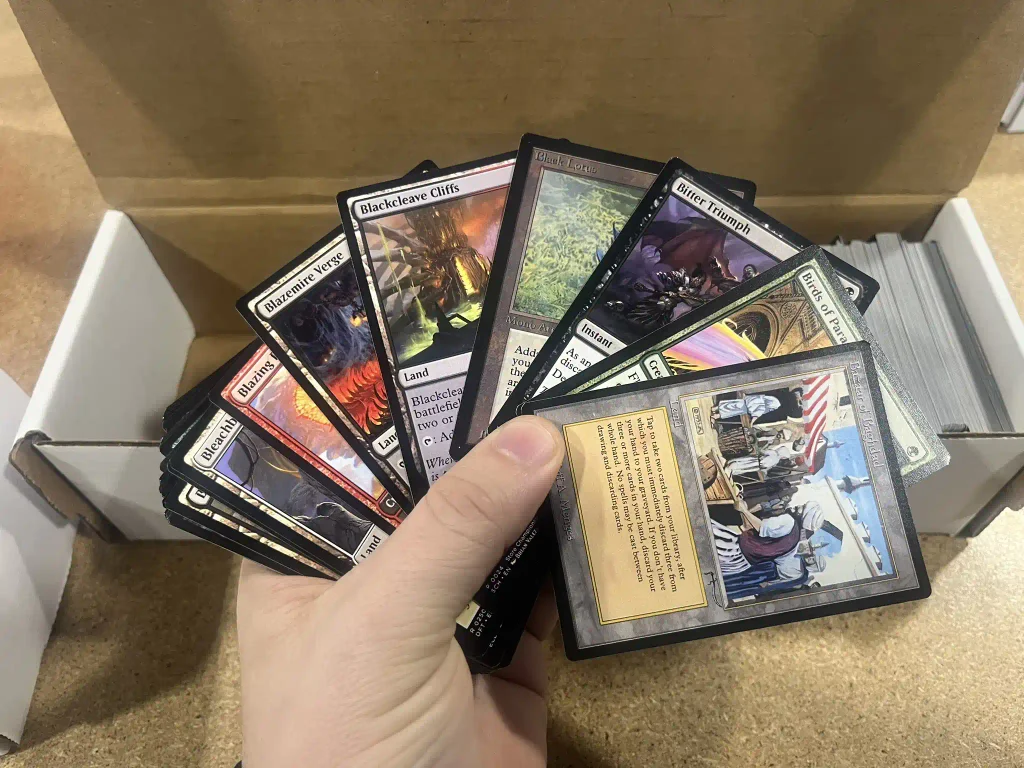
Grid Draft is the best default two-player Cube format, but Housman and Pancake offer stronger archetype support. Here is how to choose and tune your Cube.
Build a more reliable five-color Commander mana base by testing lands in the right order: typed fixing first, dependable rainbow sources second, then triomes and utility lands.
A practical method for sizing your Cube’s gold section around the cards your pod actually drafts, the decks you support, and the fixing available to cast them.
A practical workflow for replacing a banned card, testing focused alternatives, recording useful results, and deciding whether to swap, repair, or rebuild.