

Protection From a Color in MTG: Damage, Enchanting, Blocking, and Targeting
Protection from a color is not blanket immunity. Here is exactly what it prevents, what gets around it, and when the ability matters during casting, combat, and resolution.

Protection from a color is not blanket immunity. Here is exactly what it prevents, what gets around it, and when the ability matters during casting, combat, and resolution.

Compare Force of Will, Fierce Guardianship, Pact of Negation, Force of Negation, Mana Drain, Flusterstorm, and Mindbreak Trap by the jobs they perform in high-power Commander.
Test Reserved List cards in an existing Cube without changing its size or rebuilding every archetype. This guide covers matched swaps, test modules, draft integrity, recordkeeping, and practical keep-or-cut decisions.
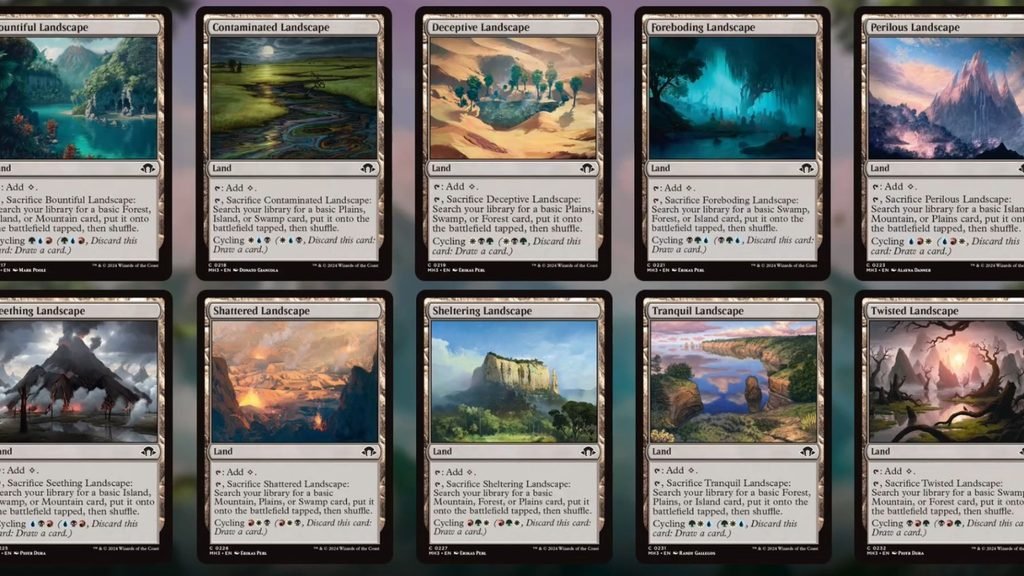
The best fetch land is the one that can reach your deck’s legal typed lands. Here is how to choose individual fetches or decide whether to test the full ten-card cycle.
Choose an MTG proxy source by order type, from premium singles and curated staples to full decks, Cubes, and custom-designed cards.
Use this practical workflow to identify an official Magic printing, search ProxyKing, compare alternate treatments, and confirm the live listing before ordering.
Player-made proxies are not permitted as replacement cards in sanctioned Magic tournaments, but casual groups and unsanctioned events can set their own policies. Here is how to check the rules, ask permission, and avoid confusing a playtest card with an authentic card.
Commander tax adds generic mana to command-zone casts, but applicable cost reductions can offset it. Here is how the total cost is calculated and which casts count.

Garth One-Eye is an unusual Commander: a five-color Wizard whose activated ability lets you cast copies of six famous early […]

Copying a spell normally does not count as casting it. Learn how direct copies, castable card copies, storm, targets, costs, triggers, and the stack work.
Use a stock-deck baseline, test small role-based upgrade packages, record repeatable problems, and turn the results into a smarter Commander singles buy list.
Cut consistency is about more than centered borders. Learn how card dimensions, corners, edges, stock, and finish affect sleeved play, plus how to inspect a proxy order.
An exact thickness figure tells only part of the story. Here is how to evaluate proxy cards by their sleeve fit, stiffness, finish, cuts, clarity, and consistency across a complete deck.
Card draw puts cards into your hand, but card advantage includes a much wider range of favorable exchanges and reusable resources. Learn how to evaluate both when building a Commander draw package.
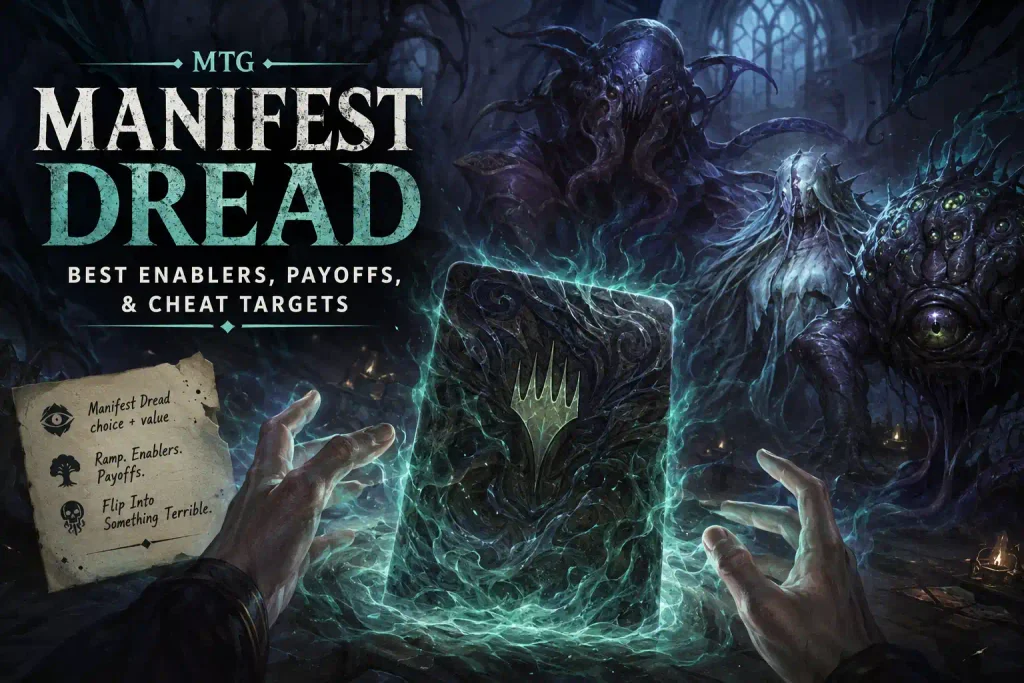
Manifest dread is one of Duskmourn: House of Horror‘s more interesting mechanics because it turns the top of your deck […]

A Wizards Play Network (WPN) store can host casual Magic games where players agree to use playtest cards, but that […]

Is ten proxies too many in Commander? What about fifty? What if every card in your deck is a playtest […]

A bounce spell returns a permanent—usually a creature—to its owner’s hand. In Magic: The Gathering, that sounds weaker than destroying […]