
TLDR
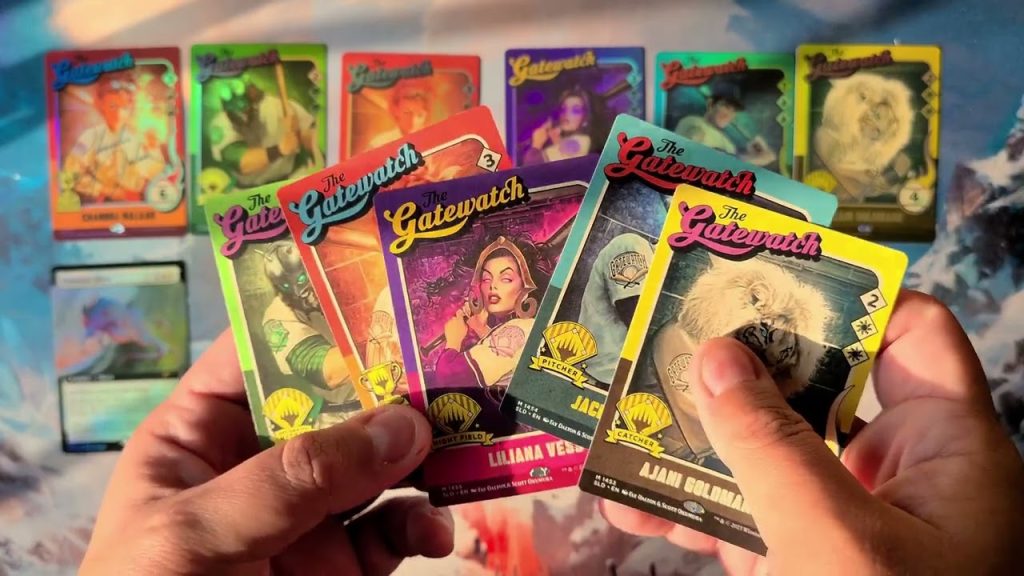
- Magic: The Baseballing Secret Lair is a baseball card style Secret Lair drop that turns the original five planeswalkers into “collectible” sports-card-looking, reversible cards.
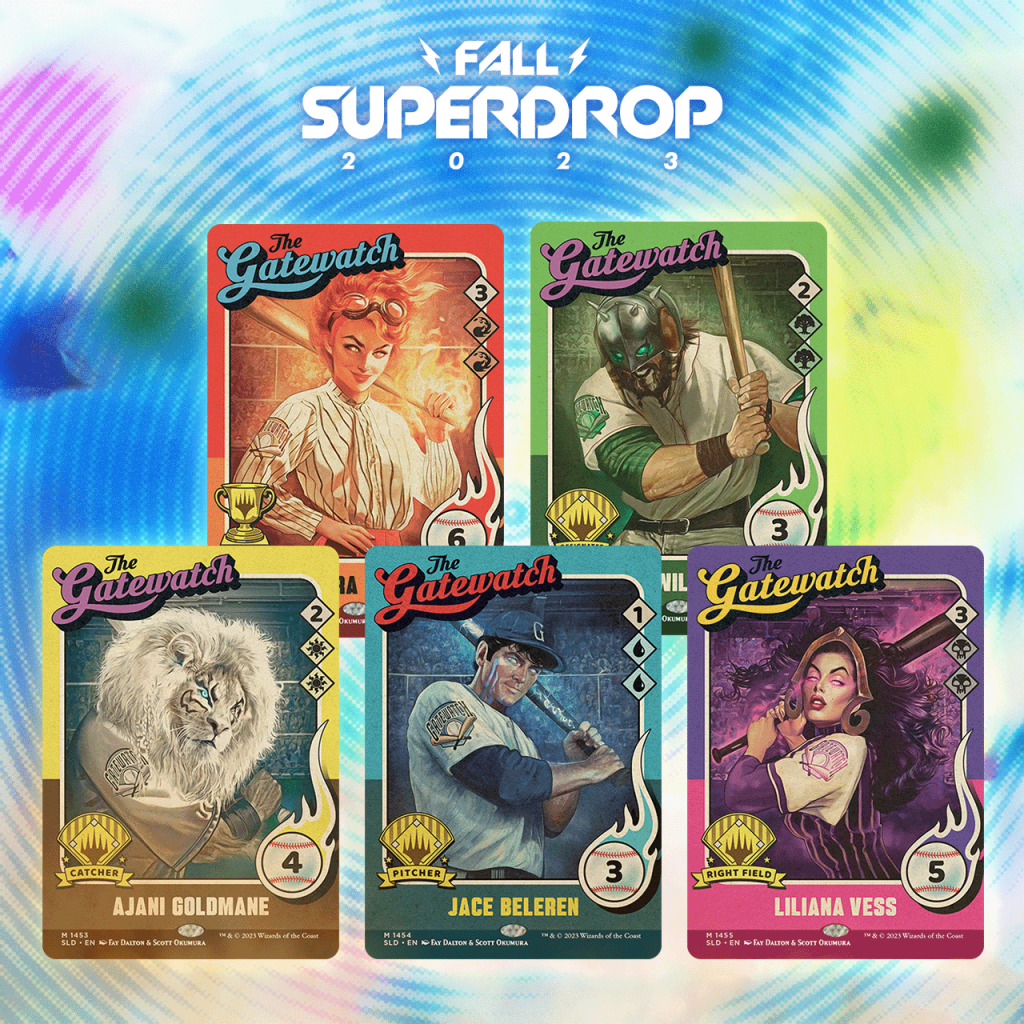
- The drop includes Ajani Goldmane, Jace Beleren, Liliana Vess, Chandra Nalaar, and Garruk Wildspeaker.
- It launched in the Fall Superdrop 2023 with $29.99 non-foil and $39.99 foil pricing, and sealed prices have generally been higher on the secondary market since.
- There’s also bonus-card roulette, including a chance at a signed “baseball card” style insert for this drop (not guaranteed).
- If your goal is gameplay, your smartest move is usually buy singles or proxy the look for casual play, then do a quick Rule 0 check so nobody gets weird about it.
Baseball has “rookie cards.” Magic has “first printings.” And then Secret Lair looked at both hobbies and said, “What if we combined them and made everyone mildly uncomfortable in new ways?”
That’s basically the whole vibe of Magic: The Baseballing Secret Lair. It’s five iconic planeswalkers presented like baseball trading cards, complete with the kind of design choices that make you go, “Sure, yeah, why not,” while quietly realizing you are the target audience.
Magic: The Baseballing Secret Lair Intro
Secret Lair drops are official, real Magic cards that get alternate art, funky frames, themed treatments, and occasional chaos. Magic: The Baseballing Secret Lair (from the Fall Superdrop 2023) takes the “trading card” idea literally by presenting planeswalkers as if they’re star players on a baseball team.
The official copy leans into the broadcast tone too, like it’s introducing a matchup on Zendikar. It’s unapologetically corny. In other words, it’s baseball.
Two key details make the drop stand out:
- It uses the original five planeswalker cards (the Lorwyn-era five).
- The cards are reversible and styled like classic baseball cards, with a partially textless “front” vibe and a more text-forward “back” vibe. They’re designed to look like a sports collectible, not just a Magic card with a new hat.
What cards are in Magic: The Baseballing?
You get five planeswalkers, all in the baseballing treatment:
- Ajani Goldmane
- Jace Beleren
- Liliana Vess
- Chandra Nalaar
- Garruk Wildspeaker
And yes, that’s a very specific nostalgia pick. These are the planeswalkers that taught a generation of players that “loyalty abilities” were a thing, and also taught another generation that reading cards is optional until it hurts you socially.
Why these five?
Because they’re basically “rookie cards” in Magic terms: iconic characters, iconic first planeswalker printings, and instantly recognizable even if you took a break for ten years and came back confused about why everything has ten versions now.
Also, the baseball framing works better when you can pretend you’re collecting a full starting lineup. Five cards. Five colors. Five personalities. Five chances for someone to say, “Wait, Garruk was never in the Gatewatch,” and then the table argues for five minutes. Perfect.
The design gimmick: reversible “baseball cards” (and why sleeves matter)
These are reversible cards, meaning both sides are printed with themed faces instead of a normal Magic back. In practice, that means:
- You should use opaque sleeves if you plan to play them, because otherwise you’re basically handing opponents free information and also making a judge’s eyebrow twitch in advance.
- One side is more “collectible baseball card” in presentation (and can be partially textless).
- The other side is more functional for gameplay, because your opponents would like to know what your card does before it ruins their day.
If you are actually putting these in decks, do yourself a favor and present the readable side. Flexing is fine. Slowing the game down is how you end up playing a three-player pod because someone “suddenly remembered an errand.”
Bonus card roulette: the signed insert and the “consolation prize” energy
Secret Lairs often include a surprise bonus card. For Magic: The Baseballing, there was a chance at a signed baseball card style bonus card tied to this drop.
Important word there is “chance.”
Translation: it’s not guaranteed, and you should not buy sealed product assuming you’ll hit the cool bonus. That’s how people end up owning a very weird number of Slivers while telling themselves they’re “fine with it.”
Should you buy Magic: The Baseballing in 2026?
Here’s the clean way to think about it. Your decision depends on what you actually want: the sealed experience, the art, the game pieces, or the vibe.
The three realistic options
| Option | Best for | Upside | Downside | My take |
|---|---|---|---|---|
| Buy sealed | Collectors who want the full package, plus bonus-card lottery | Sealed novelty, possible chase bonus | Often costs more than MSRP now, still a gamble | Only do this if sealed matters to you |
| Buy singles | Players and collectors who just want specific cards | Usually cheaper than sealed, no gambling | No bonus-card thrill | The most rational choice, which is rude to say out loud |
| Proxy the treatment | Casual players who want the look without the price tag | Cheap, fast, totally playable at the right tables | Not for sanctioned events, needs table buy-in | Great if you handle it responsibly |
A quick rule of thumb
- If you care about collecting and the packaging, buy sealed.
- If you care about playing or displaying one or two favorites, buy singles.
- If you care about the aesthetic at your Commander table, proxy it and keep it readable.
And if you’re stuck between “sealed” and “singles,” ask yourself one question:
Do I want the cards, or do I want the feeling of opening the thing?
Be honest. Your wallet can tell when you’re lying.
How to proxy Secret Lair art without being That Player
ProxyKing exists in the real world, where people play casual Commander, test decks, protect expensive cards, and also occasionally show up with something that looks like it came from a parallel universe called “I have no self-control.”
If you want to proxy the Magic: The Baseballing look, here’s the responsible way to do it.
The quick checklist
- Keep it casual. Sanctioned events require authentic cards, with very narrow judge-issued proxy exceptions for damage during the event.
- Make it readable. Card name, mana cost, and rules text should be clear at a glance.
- Be transparent. Don’t wait until turn six when someone notices your “baseball Jace” is not a normal printing.
- Never represent proxies as real. No selling, no trading, no “it’s basically the same.” That’s how proxy culture gets toxic.
- Match your table’s vibe. Some pods love themed decks. Some pods want clean game pieces. Both are valid.
Copy-paste Rule 0 script (use this verbatim)
“Quick heads up: I’m running a few playtest proxies with Secret Lair style art. They’re readable and I’m not trying to pass them as real cards. Everyone cool with that?”
If someone says no, the correct response is not a debate club audition. Swap decks, borrow cards, or find a different pod. You want a good game, not a courtroom drama.
If you want to actually play these cards, where do they fit?
Mechanically, these are older planeswalkers. Iconic, yes. Also not exactly modern power-crept monsters.
They still show up in:
- Superfriends decks that want more planeswalker density
- Themed Commander builds where style points matter
- Cube, where nostalgia and balance are friends again
- Casual “story deck” piles, where Garruk can finally be the jock he always wanted to be
If you’re buying them for play value alone, that’s fine. Just know you’re paying for the treatment and the novelty, not because Jace Beleren is secretly breaking Commander wide open in 2026.
FAQs
What cards are in Magic: The Baseballing Secret Lair?
Ajani Goldmane, Jace Beleren, Liliana Vess, Chandra Nalaar, and Garruk Wildspeaker.
Are Magic: The Baseballing cards legal in tournaments?
They’re official Magic cards, so the cards themselves are legal where those cards are legal. But if you’re talking about proxies, sanctioned events require authentic cards, with limited judge-issued proxy exceptions for damage during the event.
Are these cards actually double-faced?
They’re printed as reversible cards (two-sided treatment instead of a normal Magic back). If you play them, use opaque sleeves like a normal double-faced card situation.
Is the signed bonus card guaranteed?
No. It’s a chance-based bonus insert situation. If you’re buying sealed purely to chase the signature, just know you are opting into a gamble.
Should I buy sealed or singles?
If you want the sealed experience and the bonus-card lottery, buy sealed. If you just want the cards, buy singles. If you mainly want the vibe at a casual table, proxy the look and keep it readable.