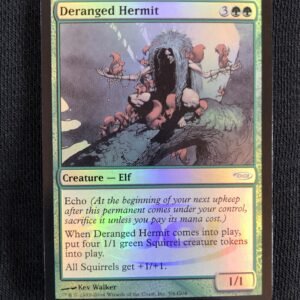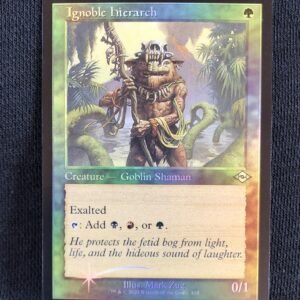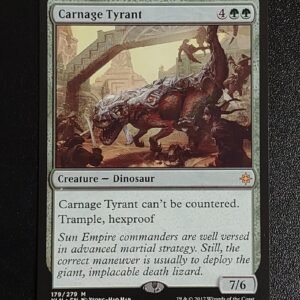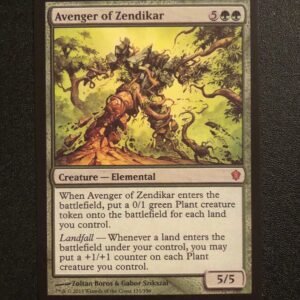



Six gives a green graveyard deck both an attack-based supply of cards and a way to recast nonland permanents. Attacking mills three cards and may recover a land from those cards to hand. During your turn, nonland permanent cards in your graveyard have retrace, allowing them to be cast by discarding a land in addition to paying their other costs.
Life from the Loam helps replenish the lands needed for retrace. Recasting Eternal Witness can recover another card, while artifact or enchantment engines can be rebuilt after removal. Retrace does not make the spells free and does not remove normal casting restrictions. The permission applies during your turn, so holding a land card does not grant unrestricted graveyard casting throughout the table’s turns.
Graveyard strategies benefit from choosing which resources should remain available for later use. A creature with a strong entry ability can be valuable even when it is too small to dominate combat, while an engine permanent may matter more than the largest threat. Match recovery to a card you can actually cast or use soon, rather than simply selecting the most expensive option.
The land recovered by an attack can later pay a retrace discard, connecting the two abilities. Six must actually attack to generate that mill trigger, while retrace works without attacking during your turn. Keep enough lands available to pay those additional costs without sacrificing the land drops needed to cast the recovered permanents.