
Lorcana vs. Magic: Which TCG Is Dominating the Proxy Scene in 2025?
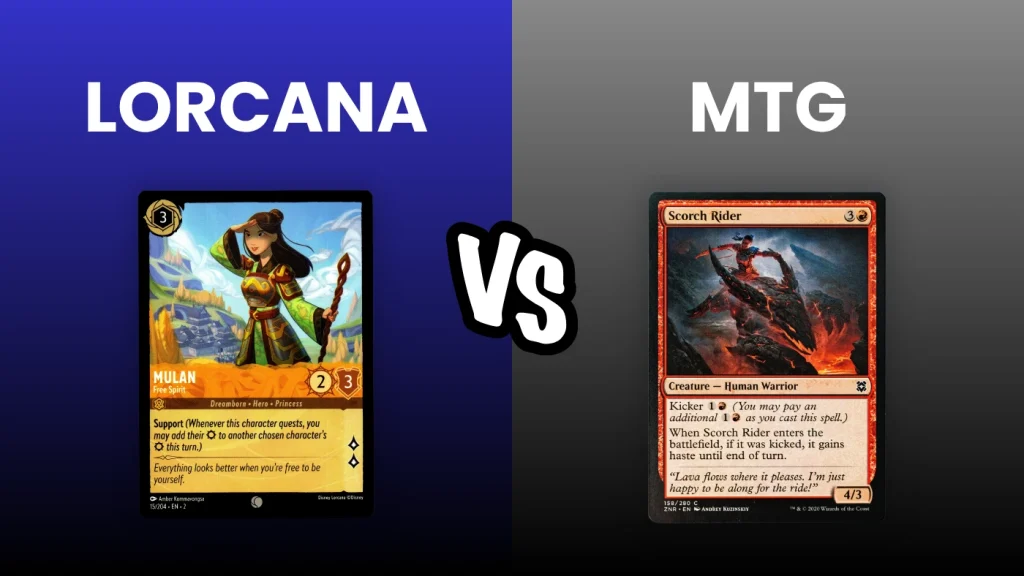
Proxies used to be a niche thing—something you saw in a cube night, maybe a kitchen-table test session before a big event. In 2025 they’re a real subculture. Printers got better, prices climbed (then yo-yo’d), and two games—Disney Lorcana and Magic: The Gathering—now drive most of the conversation. If you’re wondering which one actually “owns” the proxy scene this year, here’s the clear-eyed view: Magic still leads by a mile in raw volume and history, while Lorcana is the fastest riser, with momentum that’s hard to ignore.
The 2025 proxy landscape: similar headaches, different histories
Start with what a proxy solves: cost, scarcity, and the need to iterate quickly. Magic has wrestled with all three for decades. Iconic staples are unattainable for many players; the older the format, the worse the price shock. Officially, Wizards’ Tournament Rules are unequivocal for sanctioned play—only “Authorized Game Cards” are allowed—so anything printed at home or bought as a stand-in is not legal at sanctioned events. The exact language is straightforward and current as of July 25, 2025.
Lorcana arrived in 2023, and its proxy story began for a different reason: supply. Launch waves evaporated, and Ravensburger had to announce reprints of The First Chapter to calm the secondary market. That happened right away—coverage at the time confirmed reprints due to high demand, and it wasn’t subtle. Even as supply normalized in 2024, the pattern stuck: players still wanted a cheap, frictionless way to jam games, try lists, and bring their kids or friends along without worrying about dinging $200 cards.
By 2025 both games run regular organized play with formal rule docs and deck procedures (deck lists, checks, and expectations). Magic’s rules live on Wizards’ WPN site and the MTR; Lorcana’s Tournament Rules and resources page show fresh updates this year, which signals a maturing competitive program and clearer expectations at events. For Lorcana specifically, the tournament rules outline deck registration and checks for constructed formats—again, a sign that official events care about verified, legal lists, not printed stand-ins.
That divide—what you can do at the store on a casual night versus what’s allowed at a sanctioned event—frames the entire proxy conversation. Sanctioned: no printed stand-ins. Kitchen table and unsanctioned nights: your local culture decides.
Why Magic still leads the proxy scene
The simple answer is history and scale. Magic’s card pool spans three decades, thousands of staples, and whole classes of cards that are expensive indefinitely. That includes high-end icons—think the Power Nine—and format pillars that aren’t getting cheaper. When a single land cycle can cost more than a new console, proxies become a pressure valve. The longer your community has been playing, the more likely it is that someone brings a cube full of playtest stand-ins or an EDH deck with a couple of “substitute” cards while they hunt down the real thing.
There’s also culture. Commander and cube nights are now the beating heart of many stores. They’re social, creative, and unsanctioned. That’s fertile ground for proxies: groups agree on standards, protect budgets, and focus on play over provenance. Wizards’ official rules keep sanctions tight—again, “Authorized Game Cards” only—but those rules don’t govern your kitchen table. Communities have filled the gap with norms that usually boil down to: be transparent, sleeve up, don’t try to pass a proxy as the real thing, and don’t bring a stack of fake duals to a sanctioned event.
Finally, Magic has an entire aesthetic ecosystem around proxies. Players want “the nice version” of a classic; that could be an alt-art Tropical Island, a vintage-intrigue Time Walk, or a clean, readable take on the most famous card of them all—Black Lotus. The appetite to explore those looks (without taking out a second mortgage) feeds an enduring, high-volume proxy scene year after year.
Could you say Commander is the primary driver? In practice, yes—casual multiplayer eats the world. But even outside EDH, testing for Modern or Legacy without committing to a full playset of pricey staples makes sense. Magic’s proxy demand is broad, constant, and self-renewing.
Where Lorcana is catching up—and why it matters
Lorcana’s path is different. It doesn’t have 30 years of back catalog. It has Disney. That matters for two reasons: new-player gravity and family play. The brand pulls in parents, teens, and lapsed TCG fans who never touched Magic. Those tables are welcoming and very price sensitive. If you want a low-friction Friday night where everyone can participate, proxies are a practical bridge.
The early shortage turbocharged that mindset. At launch, Lorcana boxes and singles sold out instantly; official reprint plans were announced to meet demand, but the experience set expectations: this game might be hard to buy for a while. Even as reprints hit and distribution caught up through 2024, the “just try the deck first” habit stuck around. When a kid wants to test an Amber/Steel list without hunting down every chase card, printed stand-ins make the night happen.
By 2025, organized play has leveled up—Ravensburger’s resources page shows tournament docs updated this year, and the Tournament Rules detail deck registration and checks—so official events, like Magic, expect legal cards. But the casual curve is steep in Lorcana too: a lot of players simply want to explore the fandom across sets and inks without buying everything all at once. If you’re teaching someone new using familiar characters—say, Ariel—a tidy, readable proxy can lower the barrier.
Another reason Lorcana’s proxy share is growing: iteration speed. Lorcana’s set cadence, rules updates, and balance conversations have felt brisk, and the community keeps tinkering. That’s fertile ground for playtest cards. Even Lorcana-focused coverage in the community now talks openly about how scarcity and prices in the early sets pulled proxies into everyday conversation—a story that still echoes at local tables.
So while Magic dwarfs Lorcana in absolute proxy volume, Lorcana is arguably the most dynamic slice of the proxy scene right now: newer player base, strong IP pull, and a practical need for testing tools in a game that’s still expanding fast.
Sanctioned rules, local etiquette, and the 2025 verdict
There’s a line worth underlining. Sanctioned events are strict. For Magic, the 2025 Tournament Rules say only genuine, publicly released Wizards cards count as “Authorized Game Cards” in sanctioned play. That leaves no room for printed stand-ins at those events, period. Lorcana’s official documents and resources infrastructure continue to mature—updated rules and policies, organized play hubs—and their tournament rules lay out constructed formats with deck checks and list requirements that presume legal product, not printed substitutes.
Outside sanction, your local culture sets the tone. If your store runs a casual weekly, ask the organizer about expectations. Many groups accept tasteful, clearly marked proxies for testing, for budget access, or to let newer players get reps before committing dollars. Sleeve everything. Don’t misrepresent. And if someone wants to verify a card’s text mid-game, hand it over and keep the game state clean. These norms, more than any one company’s document, are what keep proxy nights friendly.
So who’s “dominating” the proxy scene in 2025?
- In total usage and cultural footprint: Magic, by a wide margin. Three decades of formats, high-priced staples that never truly come down, and a massive unsanctioned culture give Magic an enduring proxy backbone. (And yes, iconic pieces like Black Lotus still symbolize why proxies exist in the first place.)
- In growth rate and new-player energy: Lorcana. The early supply shock trained players to proxy for testing; Disney’s reach keeps bringing in fresh tables; and organized play now has the structure to separate sanctioned expectations from casual experiments. The official resources page showing 2025 document updates is a good signal that competitive infrastructure is solidifying.
If you’re deciding what to proxy this month, the practical advice is boring but useful: follow the event type. Sanctioned tournament? Bring the real thing. Weekly casual or a learning night? Align with your group’s standards and keep it readable. If someone’s new, let them try a deck first—especially in Lorcana, where the fandom brings in folks who haven’t juggled TCG budgets before. If you’re an entrenched Magic player, you already know the drill: test with stand-ins, then prioritize upgrades for the cards that matter most to your playstyle.
One last word about tone. Proxies can be a touchy subject. The rules are clear where they need to be, and the community norms can handle the rest. Frame proxies as a tool—temporary, honest, and aimed at helping more people play. That’s the healthiest version of the scene, whether you’re sleeving up Sol Ring number seven or teaching your niece how to sing for lore with Ariel.
Share this Post
Recent Posts
Product Categories
ProxyMtG@protonmail.com