
How Players Test MTG Deck Ideas Before Investing
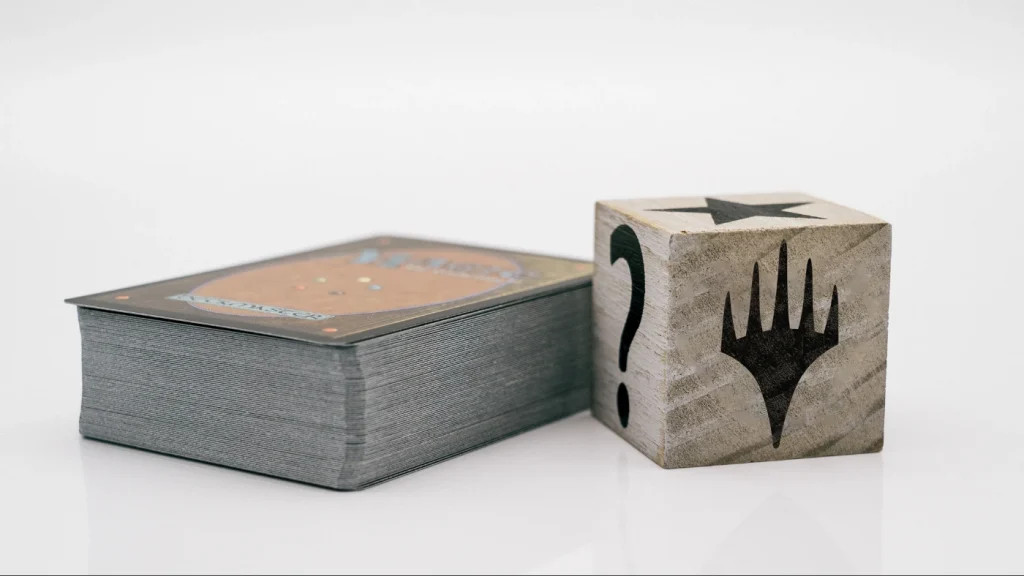
I’ve watched people fall into the same trap a hundred times, including me. You get excited about a new Commander list or a spicy Modern brew, you start price-checking staples, and suddenly you’re spending real money on a deck you have not even proven you enjoy. The fix is simple: test deck ideas with proxy cards and a few smart playtesting habits before you commit.
This isn’t about being cheap. It’s about being accurate. Magic is full of cards that look perfect on paper and feel awful in your actual meta. Your curve might be too top-heavy. Your interaction might be too slow. Your mana base might be lying to you. Testing lets you catch that stuff while it’s still free to change.
Pick a plan first, or your “testing” will be random
Most “bad purchases” happen because the deck idea was never clearly defined. People say they’re building “value” or “midrange” and then they jam twenty pet cards and call it a strategy. When you test a deck like that, every game tells a different story, because the deck itself is arguing with itself.
So start by writing a plain sentence that describes how the deck wins and what it’s trying to do in the first few turns. In Commander, that might be something like “ramp early, stick a value engine, then win through combat with a wide board” or “control the table until a compact combo wins.” In 60-card formats, it might be “pressure life total early, then finish with burn” or “trade resources, then win with a planeswalker.” This one sentence becomes your filter. If a card doesn’t support the plan, it’s probably the first cut, even if it’s a card you love.
Then decide what you’re actually testing. Are you testing whether the archetype is fun, whether the mana base supports the color requirements, or whether a specific expensive staple is worth it in this shell? Those are different tests. The more honest you are here, the less you’ll do that classic thing where you blame the deck for a mana issue you could have solved, or you blame variance for a list that just doesn’t have enough draw.
If you want a simple mental model, think of your deck as a bunch of “jobs.” You need mana, card flow, interaction, and a way to actually close the game. When one of those jobs is missing, the deck feels inconsistent, and people often try to “fix” it by buying shinier cards instead of fixing the structure.
Goldfishing is the fast way to find obvious problems
Before you involve other humans, do the boring solo work. Goldfishing is just playing your deck against nobody to see if it functions at all. It sounds silly until you realize how many decks fail the “can i cast my spells” test before an opponent even shows up.
I like to shuffle up and run a bunch of opening hands in a row, because mulligans tell you the truth fast. If you’re constantly shipping hands because they’re unplayable, that’s not bad luck. That’s deck construction. Watch how often you hit your colors, how often your first few turns are basically “land, go,” and how frequently you’re holding cards you cannot realistically cast. Even in Commander, where games go long, the early turns matter because they determine whether you’re developing or digging out of a hole.
Goldfishing also teaches sequencing. You learn what hands are keepable, when to play tapped lands versus holding up interaction, and whether your deck has real lines or just vibes. And it helps you spot “win-more” cards that only look good when you’re already ahead. Those are the cards that drain your budget because they’re flashy, not because they make the deck better.
Goldfishing is not a replacement for real games, obviously. Nobody counters your key spell in a goldfish test. Nobody wipes the board right when you finally stabilized. But it’s still the quickest way to catch the basic stuff before you waste a night discovering you built a deck with twelve five-drops and no meaningful turn-two plays.
How to test deck ideas with proxy cards in real games
Goldfishing gets you to “this deck can operate.” Real games tell you whether it can survive contact with your pod, your LGS meta, or the specific matchups you care about. This is where proxy testing shines, because it lets you play the deck you’re actually considering without turning your wallet into the test subject.
When players say “proxy cards,” they usually mean playtest stand-ins used for casual games and testing. That can be as simple as a clearly labeled placeholder in a sleeve, or a printed playtest card that’s readable across the table. The key is clarity. If your opponents have to keep asking what something is, the data from the game gets worse because everyone is distracted and misplays happen for dumb reasons.
The best proxy tests are also consistent. Use the same sleeves, make sure the proxies don’t feel different in the deck, and keep the information easy to read. You’re trying to learn how the deck plays, not accidentally mark cards or create awkward table tension. And you want to test honestly, especially with lands. A “perfect mana forever” proxy mana base makes almost any deck feel smoother than it will be in the version you can realistically build. If you’re specifically testing whether a mana upgrade is worth buying, proxy the exact kind of mana you intend to purchase and see what changes. If you want a deeper dive on that, Proxy King has a solid guide that keeps the testing realistic: How to Proxy a Mana Base in MTG Without Warping Your Playtests.
The other part people skip is iteration. If you change twenty cards between games, you won’t know what fixed the problem. Swap a small chunk, play a few games, and pay attention to patterns. Did you lose because you ran out of gas, because you couldn’t answer a threat, because your mana stumbled, or because your win condition was too slow? Those are actionable lessons. “This deck felt bad” isn’t.
You also need to be real about where proxies fit. In sanctioned tournament play, “proxy” has a specific meaning tied to judges and damaged cards, not “i printed my deck at home.” So if you’re preparing for sanctioned events, do your proxy testing at home or in unsanctioned settings where it’s allowed, then show up with real cards when the rules require it. If you just want a clean etiquette baseline for casual play, this internal post is worth a quick read: How to Use MTG Proxies Responsibly.
And if you don’t have a regular group to test with, online tools can fill the gap. Manual clients like Cockatrice let you jam games without owning the cards, and browser platforms like Untap.in can get you reps quickly. It’s not the same as paper Magic, but it’s still a great way to pressure-test the deck’s lines before you buy anything.
Turn your testing into a purchase plan you won’t regret
Once you’ve got real reps, the goal is to stop guessing and start buying with intent. Your games should be telling you the same few stories over and over, because Magic decks usually fail in predictable ways. You flood, you screw, you run out of cards, you can’t interact early enough, or you can’t actually close.
When you identify the failure mode, you can buy fixes instead of buying vibes. If your mana is the problem, lands and cheap fixing often do more than a new mythic. If your deck keeps running out of gas, you probably need more card draw or better engines, not a flashier finisher. If you keep dying with answers in hand, your curve might be too clunky, or your interaction doesn’t line up with what your meta is doing.
This is also where proxy testing saves the most money. A lot of expensive MTG staples are powerful, but that doesn’t mean they belong in every list. Some cards are amazing in grindy pods and mediocre in fast ones. Some are great in blue-heavy metas and awkward when the table is full of creature decks. If you test deck ideas with proxy cards first, you can figure out whether the staple actually improves your specific plan, or whether it’s just an expensive security blanket.
And yeah, this approach carries over to other games. Pokémon players do plenty of “solitaire” style testing, and it’s common to proxy missing cards for casual reps before buying a full list. Lorcana players do similar things with casual testing and online play spaces where available. Different communities have different norms, but the logic is the same: don’t confuse shopping with progress.
At the end of all this, the best outcome is pretty simple. You either prove the deck is worth investing in, or you discover it isn’t and you saved yourself the pain. Either way, you win. The only true loss is dropping money on a deck that you could have fixed, or abandoned, after three honest test sessions.
Share this Post
Recent Posts
- How Popular Is Lorcana in 2026? A Reality Check
- Buying MTG Proxies Safely: Red Flags and Payment Safety Basics
- MTG Commander Card Draw: How Many Sources Is “Enough”?
- MTG Proxies on SpellTable: Camera Readability, Glare, and Practical Fixes
- MTG Commander Ramp Mistakes: When “More Ramp” Makes Your Deck Worse
Product Categories
ProxyMtG@protonmail.com