
Breakdown: Top 5 Best-Selling Cards in Lorcana’s ‘Archazia’s Island’ Set
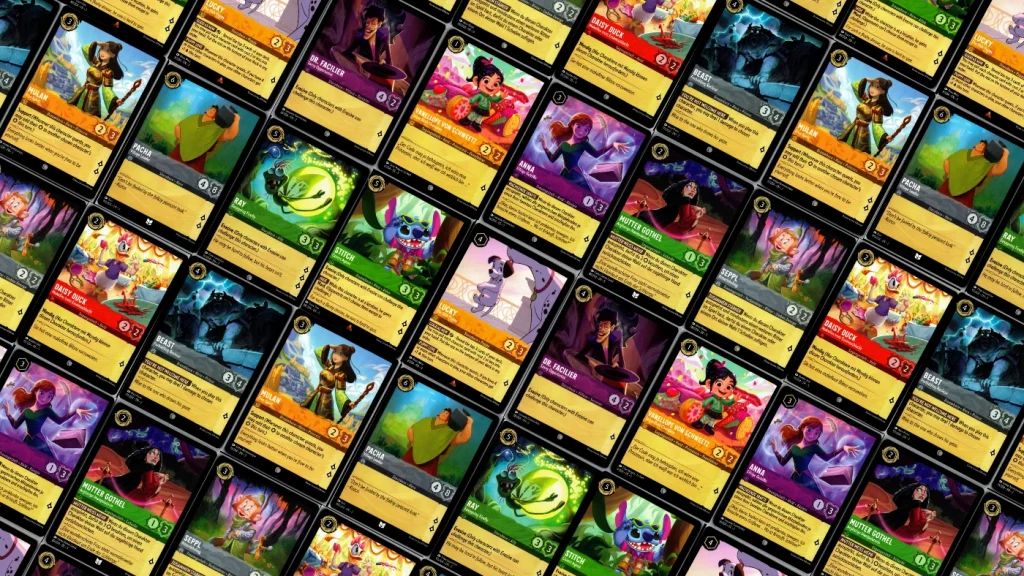
Lorcana keeps pushing fresh ideas. Archazia’s Island landed with dual-ink twists, a wave of fan favorites, and a handful of cards that started flying off shelves as soon as packs opened. In this breakdown, I look at the top sellers from the set and why players rushed to buy them. The focus is simple: which cards actually sold the most and what that means for deck building and the early meta.
If you want more story background while you read, here’s a fast refresher on the Illuminary and the broader setting: Lorcana Lore and Story Explained.
How I ranked the “best-selling” cards
For “best-selling,” I used marketplace sales snapshots during the early store release window and cross-checked against set lists and reveal coverage. A single marketplace isn’t the whole market, but it sees enough volume to be a strong signal. That gives us a real picture of what players put in carts on day one, not just what looked flashy in previews.
Two notes on method:
- Timing matters. Archazia’s Island had a staggered release. Local game stores got a jump. That window usually amplifies demand for “safe” staples and flexible role-players rather than narrow tech.
- Price ≠ sales. Enchanted foils and chase art can be the most valuable cards, but unit sales often favor four-of staples and glue pieces that finish early lists.
With that, let’s break down each card and why it moved.
1) Belle — Apprentice Inventor (value engine + broad appeal)
Belle sits at the top for a reason. Value engines sell because they make everything else in your deck feel smoother. When a single card turns a stable board into more resources—cards, tempo, or both—players buy playsets fast. Belle also benefits from character gravity. Popular characters boost casual and competitive demand at once. When strong function meets a beloved IP anchor, that’s a sales spike waiting to happen.
From a deck point of view, Belle slides into any midrange plan that wants to pull ahead over two or three turns rather than all at once. She also plays well with the set’s emphasis on items and resource flow. If you’re building on day one and you want “good stuff” that never feels dead, Belle is a first pickup.
Why it sold: clean value, easy four-of, beloved character, fits many shells.
What to watch: if future sets print more low-risk item synergies, Belle’s stock rises again.
2) Sapphire Coil (resource smoothing for dual-ink shells)
Sapphire Coil is the quiet workhorse. Sets with dual-ink options stress your curve and your early turns. You want to hit your marks. Coil does that by smoothing resources so you can bank stability early, then turn the corner with bigger plays on turns five to seven. Competitive buyers chase this kind of glue piece first. It’s not a headline card; it’s the card that lets your headline cards actually work on time.
Because the set invites cross-ink builds—Amber/Sapphire, Amethyst/Steel, and so on—resource infrastructure pulled extra attention. Even buyers still brewing grabbed Coil early as a hedge. Worst case, it keeps your backups playable while you tune.
Why it sold: resource stability, four-of staple energy, perfect week-one pickup.
What to watch: if the next release speeds the format up, demand shifts toward cheaper interaction; if it slows, Coil remains a core piece.
3) Mushu — Majestic Dragon (pressure, reach, and fun factor)
Mushu sells because he turns small windows into wins. He reads splashy, but he plays tighter than he looks. That’s the sweet spot: a finisher that isn’t clunky. In the first two weeks of a set, players want cards that create “I can actually close” moments without forcing them into a full combo shell or a narrow archetype. Mushu delivers reach, tempo, and a clear plan: apply pressure, convert it into lore, and end the game.
Theme helps too. Archazia’s Island leans into character spotlights and cross-film mashups, and Mushu is a charismatic highlight. Even buyers still deciding their main ink pair felt safe grabbing him because he clearly does something proactive on board.
Why it sold: proactive game ends, splashy but efficient, strong theme pull.
What to watch: Mushu’s ceiling tracks with how good midrange mirrors are. If mirrors dominate, he stays top tier in carts.
4) Giant Cobra — Ghostly Serpent (removal that’s also a body)
Removal shaped like a body sells. Giant Cobra creates friction for opposing boards while presenting a real threat on the table. In an early meta, people reach for cards that stabilize, trade up, and punish loose development. Cobra checks all three boxes. If you blind-buy a few packs, open a Cobra, and feel fine slotting it into an Amethyst or Emerald core, that’s the kind of practical confidence that drives unit sales.
Archazia’s Island ships a wide spread of midrange and tempo tools, which means creature combat matters. Cards that can both block and pressure by themselves earn fast adoption. Cobra’s flexibility made it a default include while players built their first shells, tested, then tuned.
Why it sold: stabilizes boards, trades up, universal “good stuff” feel.
What to watch: if cheaper exile or bounce tools become common, Cobra’s role shifts from main-deck staple to sidegrade—but it will still move as a safe pickup.
5) Baymax — Giant Robot (defensive anchor with character gravity)
Baymax closes the list and shows how character gravity works when it’s tied to a clear battlefield job. Baymax is a Big Hero 6 icon and a natural fit for defensive or life-cushion plans. When a famous character also covers a practical role—buys time, blunts aggression, stabilizes—sales become steady and repeatable.
Baymax is not just a mascot. He’s a plan. Early metas over-index on cards that keep you alive long enough to see your top end. Even if he never becomes a hard tier-one staple, he earns those day-one cart clicks that push him into the top five.
Why it sold: iconic character plus a reliable defensive job, safe four-of for new lists.
What to watch: if the next set adds better lifegain or cheaper stabilizers, Baymax competes for slots; if aggression spikes, his stock goes up.
What this top five says about the Archazia’s Island meta
A best-seller list is not a tier list, but it does reveal buyer behavior and early metagame shape.
- Midrange gravity. Belle and Baymax point to longer games where incremental value and board presence matter. Players wanted to build “honest” boards and win on small edges.
- Resource reliability. Sapphire Coil’s sales show how much dual-ink pressures curve planning. Stable early turns were a top priority.
- Proactive finishers. Mushu tells us players wanted clean ways to close without jumping into narrow combos.
- Flexible interaction. Giant Cobra shows a preference for removal that doesn’t strand in hand. If your “answer” can also attack for two turns, it sells.
Put together, this is a format where you can curve creatures, generate light value, remove a thing that matters, and win. That’s healthy. It also means sideboard-style pivots (or their Lorcana equivalent) will be important as the meta settles.
Prices vs unit sales
High-value Enchanted variants and chase treatments are great for collectors, but they rarely lead on unit volume. Day-one buyers finish playsets of staples first. That’s why a midrange-leaning value engine and a resource smoother can outrank flashier mythics in raw copies sold.
If you’re budget-minded or testing with proxies before buying, focus on the jobs these cards do rather than the exact names. Ask: “What is my value engine? Where is my resource smoothing? What closes the game? What bridges the midgame?” If you can answer those with cheaper alternatives while you test, do that—then upgrade into the exact pieces you like.
And if you like reading cross-game strategy to sharpen your instincts, this quick read shows the same lesson in a different format: MTG Foundations Sleeper Is an Underrated Answer to a Problematic Archetype. Different game, same takeaway—new sets reward fast adaptation.
How to build around these picks
Here’s a simple way to translate sales trends into deck choices:
- Start with a value core. If not Belle, pick a similar engine that converts board presence into resources.
- Lock your early game. Use Sapphire-like smoothing or low-curve cantrips so your deck always “does the thing” on time.
- Choose a closer. Mushu-style finishers shine in lists that create small tempo leads then cash them in.
- Pack flexible answers. Giant Cobra–style cards cover both offense and defense while you learn the field.
- Decide on your safety net. A Baymax-like stabilizer buys time when the meta speeds up.
This approach keeps you nimble. You can switch closers or tweak the answer suite without rebuilding from scratch.
What to watch next
Archazia’s Island is set 7. The follow-up set schedule matters because new synergies and counters can change what sells and plays. If the next release buffs Sapphire resource tools or prints cheaper tempo swings, expect movement. If it instead adds faster aggro, defensive staples like Baymax spike again. Keep an eye on announcements, reveal seasons, and early tournament reports; they shape week-two and week-three buying.
If you’re newer to Lorcana or coming back after a break, start with Lorcana Lore and Story Explained to get your bearings.
Final thoughts
Archazia’s Island sold practical cards to players who value flexibility. Belle and Sapphire Coil show the demand for steady engines and reliable early turns. Mushu, Giant Cobra, and Baymax round out a field that wants to pressure, protect, and pivot. That’s a good sign for a healthy format.
My take: if you’re building from scratch, pick a lane you enjoy, then grab the staples that support it. Engines, smoothing, a closer, and flexible answers. You’ll reuse those cards even as the meta shifts. And if your group tests with proxies to save money while you tune, do what works. The goal is to play more games and iterate faster.
Share this Post
Recent Posts
Product Categories
ProxyMtG@protonmail.com