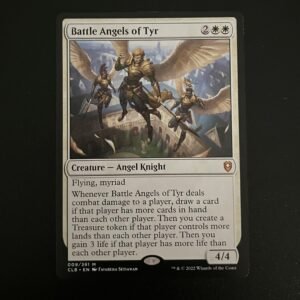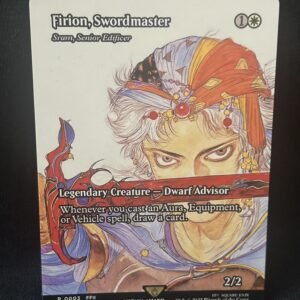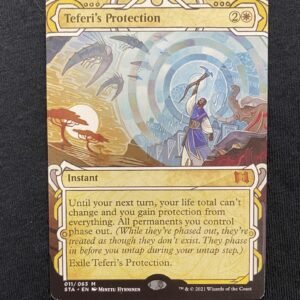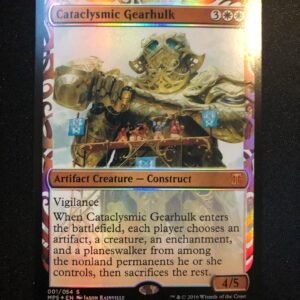
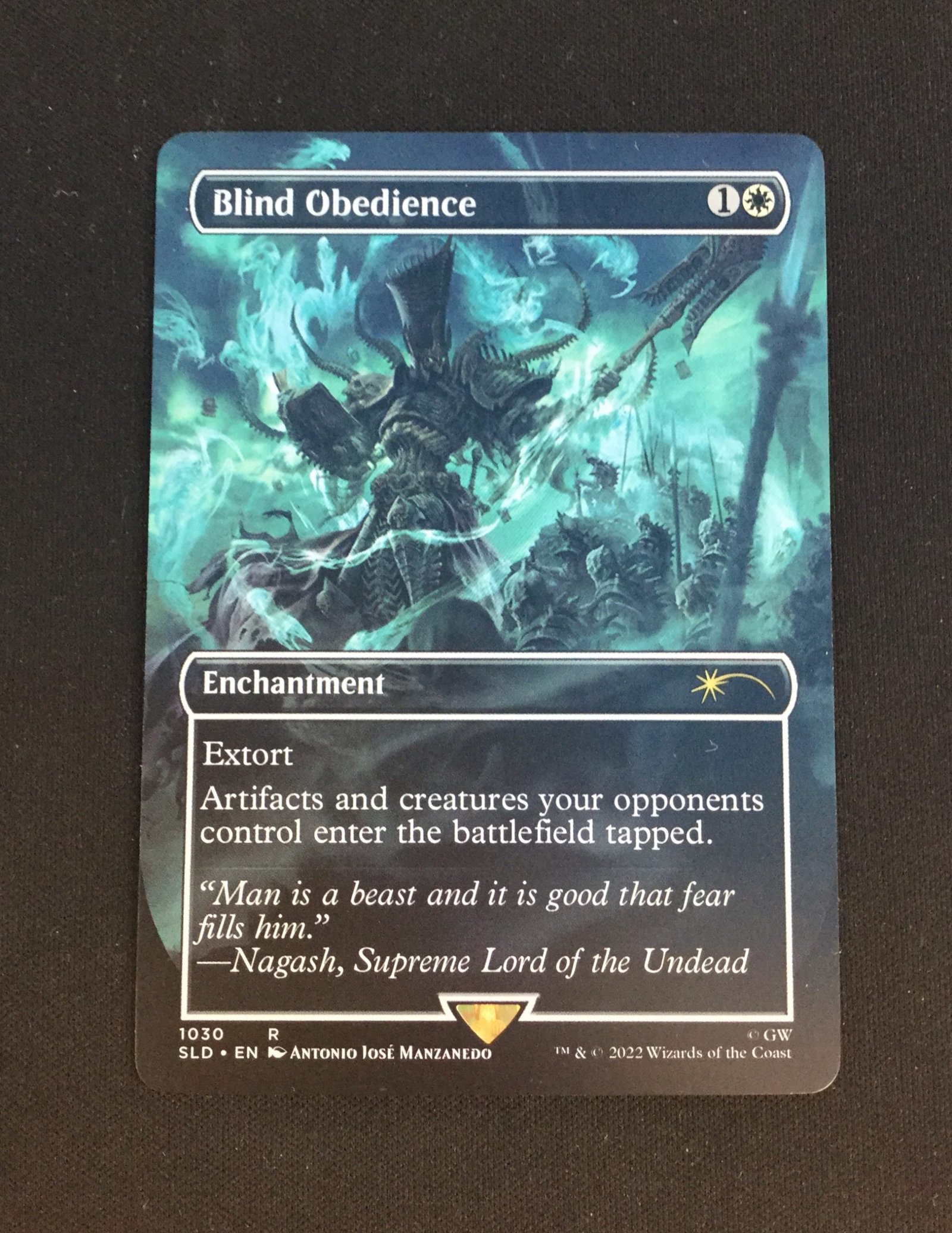


Blind Obedience makes opposing artifacts and creatures enter tapped, slowing mana rocks, newly arrived blockers, and creatures that would otherwise attack immediately with haste. Your own permanents are unaffected. That gives white control and spell-heavy decks time to develop while making opposing turns less explosive.
Extort provides a separate payoff whenever you cast a spell: pay white or black mana to make each opponent lose one life and gain the total life lost this way. Several inexpensive casts can create meaningful life swings in multiplayer games. The payment is optional each time, so prioritize casting the spells the turn needs before spending every spare mana on incremental drain.
Resource engines are most useful when the deck can convert the additional cards or incremental advantage into productive turns. Keep a sensible mix of lands, inexpensive interaction, and threats so a fuller hand does not simply become a collection of spells that cannot yet be paid for. Cheap supporting cards can help maintain development while leaving mana available to protect the most important permanent.
Entering tapped does not stop an entry ability from triggering or remove an artifact’s static abilities. It is strongest against immediate attacks and tap-dependent resources. Extort can convert spare mana into a multiplayer life swing, but it does not trigger from spell copies that were created directly on the stack without being cast.