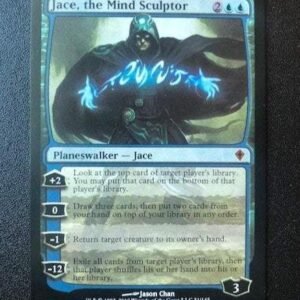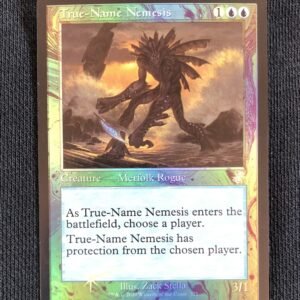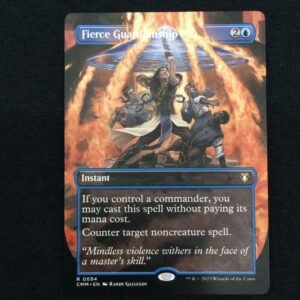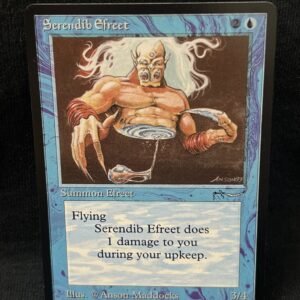

 less to cast.
 : Each opponent mills cards equal to the number of cards in your hand.
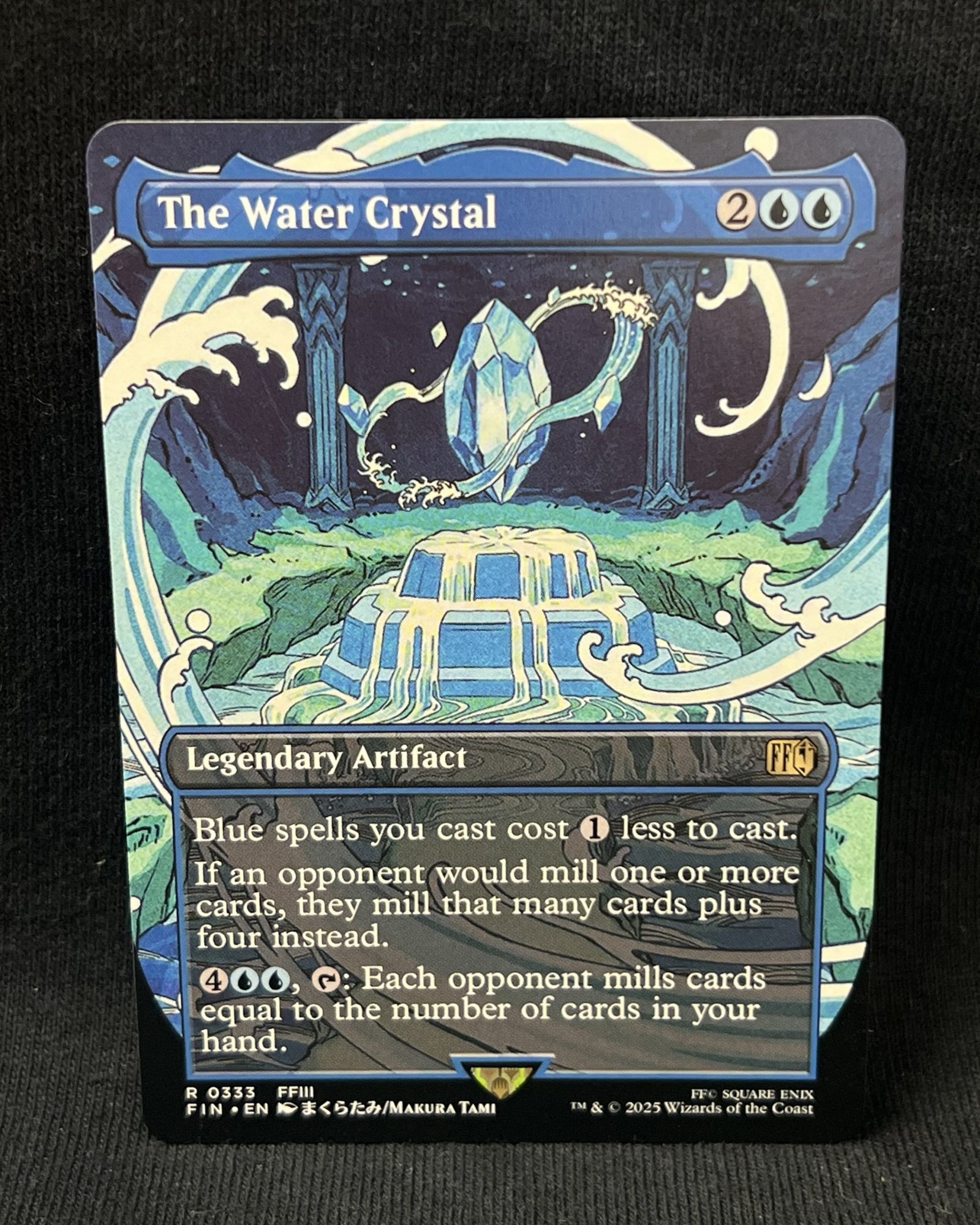
The Water Crystal makes small mill events much larger. If an opponent would mill cards, they mill that many plus four instead, so an effect that normally mills one card becomes five. Its other passive ability reduces the generic cost of your blue spells, letting a blue mill deck combine a stronger payoff with somewhat more efficient development.
Altar of the Brood is a clear partner because each separate permanent-entry trigger creates a separate mill event. Those individual events each receive the increase. A single instruction to mill ten becomes fourteen, rather than fifty; the Crystal adds four to an event instead of multiplying every card within it. That distinction helps identify which supporting cards receive the largest relative improvement.
The six-mana tap ability mills each opponent according to the number of cards in your hand, with the replacement effect increasing a positive mill event further. A healthy hand makes the activation more substantial, while the generic cost reduction can help preserve mana when casting blue draw spells. The reduction cannot remove required blue symbols.
Milling can fuel opposing graveyards before it empties their libraries, so decide whether your deck is prepared to handle that resource gain. Graveyard interaction and a clear finishing sequence can matter more than maximizing one activation. The Crystal is most useful when repeated small mill effects are already central to the list and the spell discount helps support the same blue-heavy plan.